Choosing the right tent is essential for any outdoor adventure, as it ensures comfort, protection, and ease of use. To illustrate, bow tents and conventional tents are two popular options, each offering unique advantages. Additionally, the material of the tent—whether ripstop canvas or nylon ripstop—significantly influences its durability and performance. Therefore, it is important to consider these factors when making your choice. This article, consequently, provides a comprehensive comparison of these tent types and materials to help you make an informed decision. Ultimately, understanding the distinctions between bow tents and conventional tents will guide you in selecting the best option for your needs.
Bow Tent
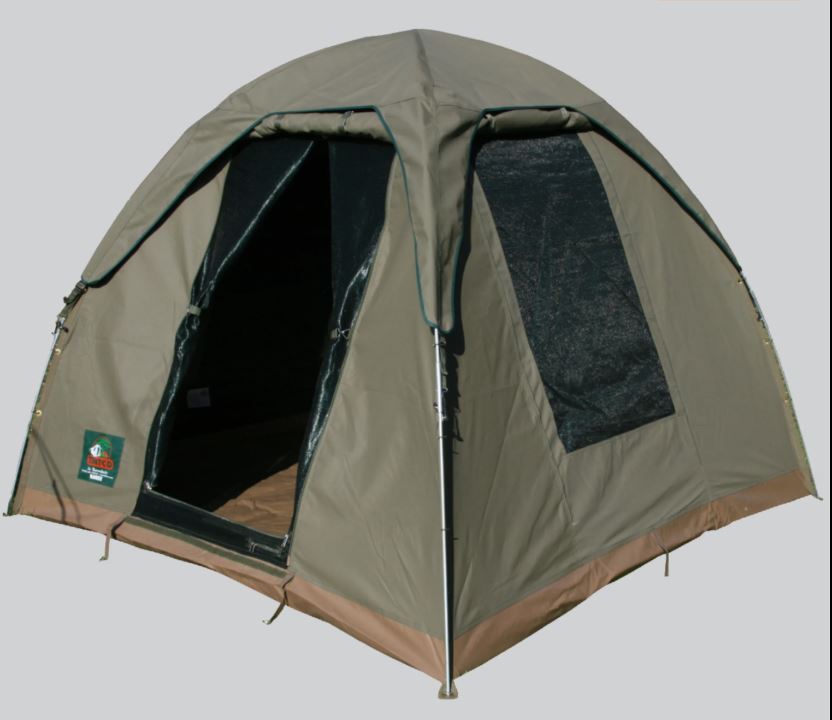
Design and Structure:
Bow tents, also known as dome tents, feature a design where flexible poles bend into a curved shape,
creating a dome-like structure. This design provides excellent stability and resilience against various
weather conditions.
Pros:
- Stability: The dome shape evenly distributes stress, making bow tents highly resistant to strong
winds and heavy rain. - Ease of Setup: Bow tents typically have fewer poles and a straightforward assembly process,
allowing for quick and easy setup. - Space Efficiency: The curved structure maximizes interior space, offering ample headroom and a
comfortable living area.
Cons:
- Weight: Bow tents can be heavier due to their robust pole structure, which might not be ideal for
backpackers. - Storage Size: When packed, bow tents may occupy more space compared to some simpler
designs.
Conventional Tent
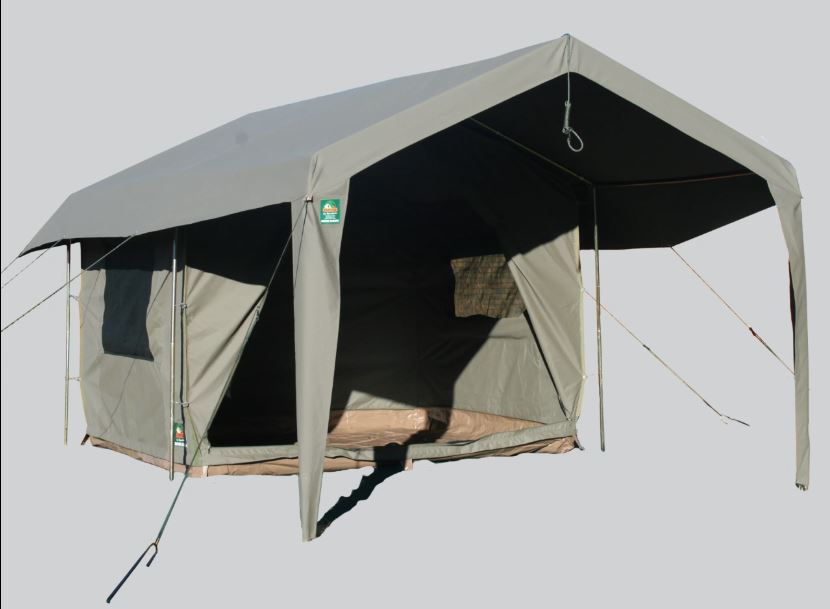
Design and Structure:
Conventional tents generally have a traditional A-frame or ridge design, supported by straight poles.
This classic design has been popular for decades due to its simplicity and effectiveness.
Pros:
- Lightweight: Many conventional tents are designed to be lightweight, making them suitable for
hiking and backpacking. - Compactness: These tents can be packed down to a smaller size, which is advantageous for
minimalist campers. - Cost-Effective: Generally, conventional tents are more affordable due to their simpler construction
and fewer materials.
Cons:
- Stability: Conventional tents might not perform as well in severe weather. The A-frame design can
be less stable in high winds. - Interior Space: These tents often offer less headroom and can feel more cramped inside.
Ripstop Canvas vs. Nylon Ripstop Construction
The material of your tent is just as crucial as its design. The choice between ripstop canvas and nylon
ripstop affects the tent’s durability, weight, and overall performance.
Ripstop Canvas
Characteristics:
Ripstop canvas is a heavy-duty fabric made by weaving thicker threads into the canvas at regular
intervals. This technique enhances the material’s resistance to tearing and ripping.
Pros:
- Durability: Ripstop canvas is extremely durable and can withstand rough handling and harsh
weather conditions. - Breathability: Canvas is breathable, reducing condensation inside the tent and providing a more
comfortable environment. - Weather Resistance: With appropriate treatment, ripstop canvas can be highly water-resistant and
provides excellent protection against UV rays.
Cons:
- Weight: Ripstop canvas is heavier than nylon ripstop, making it less suitable for backpacking and
more appropriate for car camping or stationary use. - Packability: Due to its bulkiness, ripstop canvas tents are harder to pack down to a small size,
requiring more storage space.
Nylon Ripstop
Characteristics:
Nylon ripstop is a lightweight fabric that includes a grid of thicker threads interwoven at intervals,
enhancing its tear resistance without adding significant weight.
Pros:
- Lightweight: Nylon ripstop is much lighter than ripstop canvas, making it ideal for backpackers
and hikers. - Durability: The ripstop pattern prevents small tears from spreading, increasing the material’s
lifespan. - Water Resistance: Nylon ripstop often comes with waterproof coatings, providing good
protection against rain and moisture.
Cons:
- Breathability: Nylon is less breathable than canvas, which can lead to condensation inside the tent
in humid conditions. - UV Degradation: Prolonged exposure to UV rays can degrade nylon faster than canvas, though
UV-resistant coatings can mitigate this issue.
Conclusion
Choosing between a bow tent and a conventional tent largely depends on your camping needs. For instance, if you prioritize stability and interior space, a bow tent might be the better option. Conversely, for those seeking a lightweight and cost-effective solution, a conventional tent could be ideal.
Similarly, deciding between ripstop canvas and nylon ripstop materials involves weighing your priorities in terms of weight, durability, and ventilation. On one hand, ripstop canvas offers superior durability and ventilation, making it well-suited for stationary or car camping. On the other hand, nylon ripstop provides a lightweight and durable option, which is perfect for backpacking and hiking.
Ultimately, the best choice will align with your specific camping style, frequency of use, and the environmental conditions you expect to encounter. By carefully considering these factors, you can ensure that your outdoor experience is both comfortable and secure. In summary, selecting the right tent and material will enhance your overall camping adventure, whether you choose a bow tent versus a conventional tent or ripstop canvas versus nylon ripstop.
Canvas Room, Custom made Canvas Tents, Canvas Tent Repairs, alterations and Additions.